



How AI is Transforming Global Admissions and Creating New Opportunities for Students
- IntelliSmartEdge AI

- Nov 10, 2025
- 3 min read
From digital profiles to predictive admissions, artificial intelligence is reshaping how students connect with universities worldwide. This transformation opens new doors for learners and institutions alike, making the process smarter, faster, and more personalized.
AI is no longer a futuristic concept in education. It is actively changing global admissions and employability by bridging gaps between students, universities, and employers. Here’s how this technology is creating a smarter connection for everyone involved.
1. Personalized Student Profiles Improve Matching
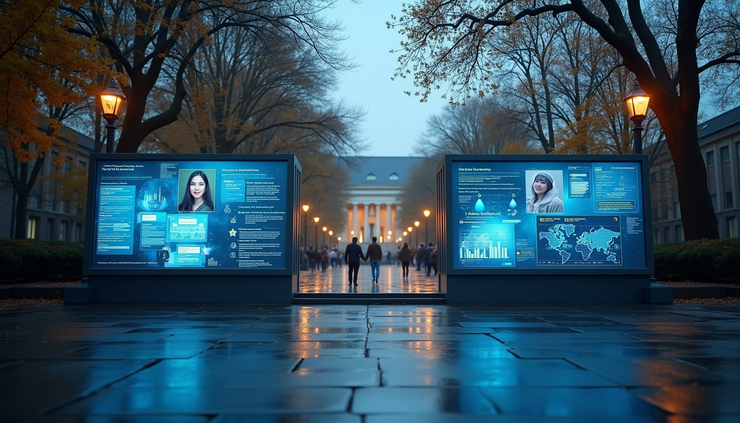
AI enables the creation of detailed digital profiles that go beyond traditional resumes and transcripts. These profiles include skills, interests, learning styles, and even personality traits. By analyzing this data, AI systems can match students with universities that fit their unique profiles.
This personalized approach helps students find programs that align with their goals and strengths. For example, a student interested in environmental science with strong analytical skills might be matched with universities offering specialized research opportunities in sustainability.
Universities benefit by attracting students who are more likely to succeed and contribute to their community. This reduces dropout rates and improves overall student satisfaction.
2. Predictive Analytics Streamline Admissions Decisions
Admissions offices face the challenge of reviewing thousands of applications each year. AI-powered predictive analytics can assess applicants’ potential success by examining past academic records, extracurricular activities, and other relevant data.
These systems identify patterns that human reviewers might miss, such as how certain combinations of experiences predict academic performance or career outcomes. This helps universities make more informed decisions quickly and fairly.
For instance, some universities use AI to predict which applicants will thrive in rigorous programs, allowing them to offer targeted scholarships or support services early on.
3. AI Enhances Global Access and Diversity
AI tools break down language barriers and cultural differences by offering translation services and culturally aware assessments. This makes it easier for international students to apply and communicate with universities.
Moreover, AI can help universities identify talented students from underrepresented regions or backgrounds by analyzing non-traditional indicators of potential. This promotes diversity and inclusion in global education.
For example, a university might use AI to discover promising candidates from remote areas who lack access to standard testing but show strong problem-solving skills through alternative assessments.
4. Virtual Assistants Support Students Throughout the Process
AI-powered chatbots and virtual assistants provide 24/7 support to students during the admissions journey. They answer questions about application requirements, deadlines, and financial aid options instantly.
This reduces stress and confusion, especially for first-time applicants navigating complex procedures. Virtual assistants can also guide students through visa applications and pre-departure preparations.
By offering personalized, timely help, these AI tools improve the overall experience and increase the chances of successful enrollment.
5. AI Connects Students with Employers Early
Employability is a key concern for students choosing universities. AI platforms analyze labor market trends and employer needs to recommend courses and skills that boost job prospects.
Some systems even connect students directly with potential employers through internships, projects, or mentorship programs. This early exposure helps students build relevant experience and networks.
For example, a student studying data science might receive AI-driven suggestions to take specific coding courses and participate in industry-sponsored hackathons, increasing their chances of landing a job after graduation.
6. Continuous Learning and Skill Development
AI supports lifelong learning by identifying skill gaps and recommending personalized learning paths. After admission, students can use AI tools to track their progress and adjust their studies to meet evolving career demands.
Universities can also use AI to update curricula based on real-time feedback from employers and alumni, ensuring education stays relevant.
This dynamic approach helps students remain competitive in a fast-changing job market and encourages continuous growth beyond graduation.
AI is transforming global admissions by making the process more personalized, efficient, and inclusive. It helps students find the right universities, supports them through complex procedures, and connects them with employers early on. For universities, AI offers better insights into applicants and helps build diverse, motivated student communities.
Comments